


Fixed vs. Variable Electricity Rates in Alberta: Which One Wins?


In Alberta, you have a choice to make about your electricity plan. Do you want the stability of a fixed rate, or are you willing to take a chance on the variable market for potentially lower prices? This is a common question, and the best option depends on your individual needs. We'll break down the two main types of electricity rates in Alberta and help you decide which one is right for you.
Fixed-Rate Plans: Peace of Mind and Predictability
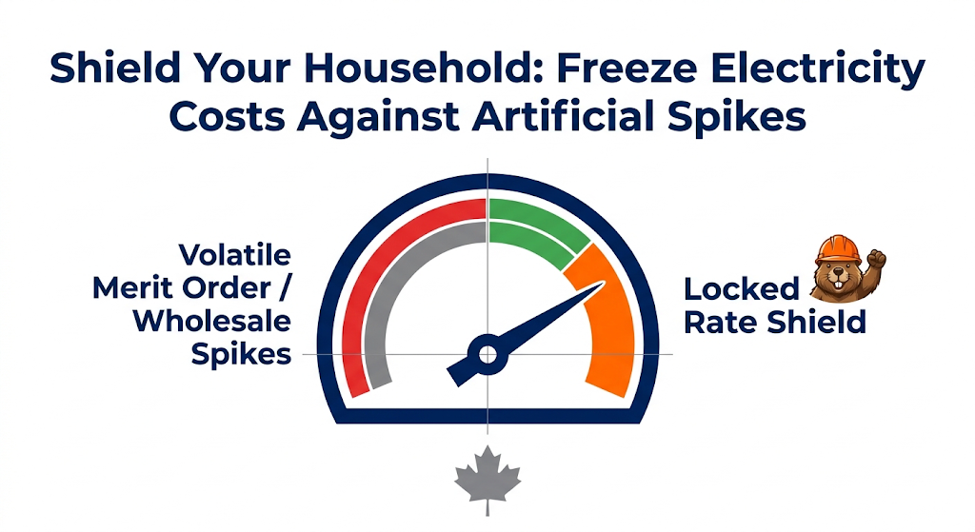
With a fixed-rate plan, you lock in a set price for your electricity per kilowatt-hour (kWh) for the duration of your contract. This provides price stability and predictability, allowing you to easily budget for your monthly utility costs. If electricity prices rise, your rate will remain the same, shielding you from expensive surprises. However, if prices drop, you will still be paying the fixed rate you agreed upon.
Variable-Rate Plans: Flexibility and Potential Savings
On the other hand, a variable-rate plan fluctuates with the market price of electricity. This means your rate can go up and down from month to month, depending on the current wholesale price of power. While this type of plan can be more volatile, it also offers the potential for lower rates when market prices are low. If you're willing to accept some risk and track electricity prices, a variable-rate plan could save you money in the long run.
Which Plan is Right for You?
Here are some factors to consider when choosing between a fixed and variable-rate plan:
Budgeting and Predictability: If you prefer stability and predictability, a fixed-rate plan is likely the better choice. It allows you to budget for your monthly expenses with greater accuracy.
Risk Tolerance: If you're comfortable with a bit of risk and are willing to monitor electricity prices, a variable-rate plan could save you money. However, if you prefer peace of mind and want to avoid price fluctuations, a fixed-rate plan is a safer bet.
Market Conditions: If electricity prices are currently low, locking in a fixed rate might be a good idea. However, if prices are high, a variable-rate plan might offer lower costs, provided you're willing to take the risk.
When to Lock in and How to Hedge Against Seasonal Price Spikes
The decision to lock in a fixed rate can be a tricky one. In general, it's best to lock in when market prices are relatively low. You can monitor electricity price trends and try to time your contract signing accordingly.
To hedge against seasonal price spikes, you can consider a variable-rate plan that offers a cap on your rate. This will limit your exposure to high electricity prices while still allowing you to take advantage of lower market rates. You can also implement energy-saving measures in your home, such as installing a smart thermostat or using energy-efficient appliances, to help reduce your electricity usage.
Big Rock Power: Your Trusted Guide to Alberta Electricity Rates
At Big Rock Power, we're dedicated to helping Albertans find the best electricity plan for their needs. We offer a variety of fixed and variable-rate plans to suit every budget and lifestyle. Our team of experts can guide you through the process of choosing the right plan and help you understand the nuances of the Alberta electricity market.
Visit our website at www.bigrockpower.ca to learn more about our services and compare our electricity rates. We're here to help you make informed decisions about your energy needs and provide you with peace of mind.
FAQs About Fixed and Variable Electricity Rates in Alberta
1: What is the difference between a fixed and variable-rate plan?
A: A fixed-rate plan allows you to lock in a set price for your electricity, providing predictability. A variable-rate plan fluctuates with the market price of electricity, offering potential savings but also greater risk.
2: When is it best to choose a fixed-rate plan?
A: If you prefer stability and predictability, or if you expect electricity prices to rise in the future, a fixed-rate plan is a good option.
3: When is it best to choose a variable-rate plan?
A: If you're willing to accept some risk and track electricity prices, and you're hoping for lower rates, a variable-rate plan could save you money.
4: How often do variable rates change?
A: Variable rates can change daily or even hourly, depending on the market price of electricity.
5: What is a rate cap?
A: A rate cap is a feature on some variable-rate plans that sets a maximum limit on your electricity rate, protecting you from extreme price spikes.
6: Can I switch from a fixed to a variable-rate plan?
A: Yes, you can typically switch between plan types, although you may have to pay a cancellation fee if you end your fixed-rate contract early.
7: What are the main factors that affect electricity prices in Alberta?
A: Factors that affect electricity prices include supply and demand, weather conditions, generation costs, and natural gas prices.
8: How can I compare electricity rates in Alberta?
A: You can compare electricity rates using online comparison tools or by contacting individual electricity providers. Make sure to consider both fixed and variable-rate options, as well as any contract terms and conditions.


Comments